Living Expressions of Harmony, Tradition, and
Craftsmanship in Japanese Gardens
Immerse yourself in the tranquility and enduring beauty of Japanese gardens that are thoughtfully designed to evoke idealized natural scenery. Experts will provide an overview on the rich history, harmonious principles, and masterful craftsmanship behind Japanese gardens, and offer practical ideas for bringing these treasured traditions to Connecticut’s gardens. Together, we’ll explore how these living landscapes encourage contemplation, weave stories through their thoughtful design, and create lasting connections among generations.
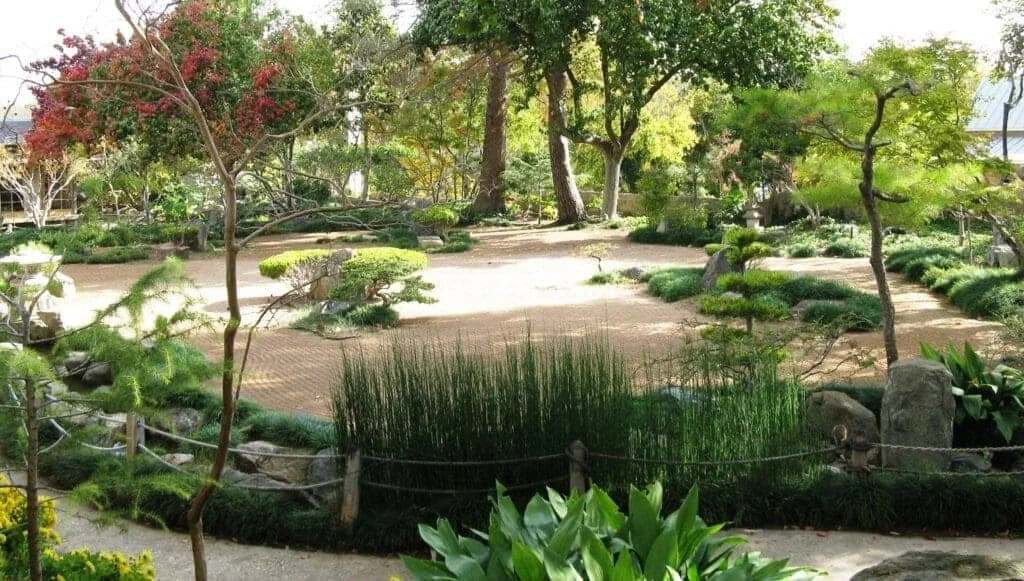
For centuries, Japanese gardens have offered spaces of reflection, artistry, and harmony with nature. In this session, you’ll be introduced to the core principles of Japanese garden aesthetics, including balance, symbolism, movement, and therapeutic qualities. Japanese gardens are serene, symbolic landscapes Through the careful arrangement of elements such as stones, water features (or raked gravel), pruned plants, and minimalist structures like bridges and lanterns, these gardens create an atmosphere of peaceful contemplation. Emphasizing asymmetry, tranquility, and the subtle beauty of aged materials, Japanese gardens offer a restorative experience that goes beyond mere ornamentation.
Through Q&A, we’ll be able to gain practical advice for incorporating signature features, like stone groupings, water elements, plant selections, and structures for year-round interest, into our Connecticut gardens.
Presented by the North American Japanese Garden Association (NAJGA), a nonprofit organization committed to preserving and advancing the legacy of Japanese gardens throughout North America.
Registration will open in February.